
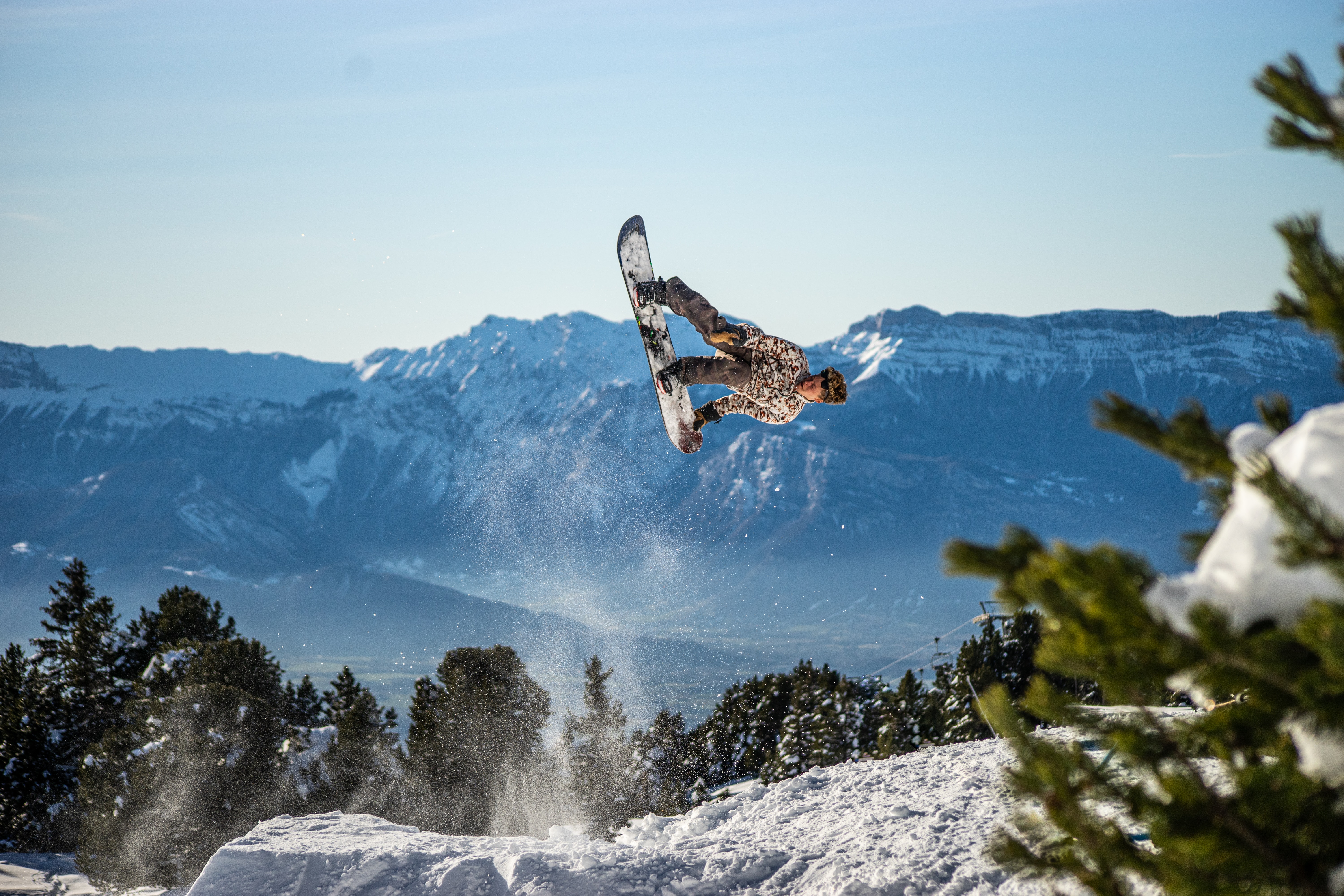
Freestyle skiing is a dynamic and thrilling winter sport that combines technical skill, athleticism, and creativity. From gravity-defying jumps to intricate tricks and stylish maneuvers, freestyle skiing captivates both participants and spectators. In this article, we will delve into the world of freestyle skiing, exploring its disciplines, history, competitions, and the dedicated athletes who push the boundaries of the sport.

Disciplines of Freestyle Skiing
Freestyle skiing encompasses several disciplines that showcase different aspects of the sport:
1. Moguls: Mogul skiing involves navigating a course filled with closely spaced bumps (moguls) while performing acrobatic maneuvers. Skiers combine speed, technical skill, and aerial tricks to impress the judges.
2. Aerials: Aerial skiing focuses on jumps and tricks performed off large kickers (jumps). Skiers launch themselves into the air, executing flips, spins, and grabs before landing smoothly on the snow.

3. Ski Cross: Ski cross is a high-speed discipline where multiple skiers race simultaneously down a course featuring a variety of terrain, jumps, and banked turns. The first skier to cross the finish line wins.
4. Halfpipe: Halfpipe skiing takes place in a U-shaped ramp with steep walls on either side. Skiers perform tricks and maneuvers while launching themselves into the air from one wall to the other.
History and Evolution
Freestyle skiing emerged in the 1960s and 1970s as a rebellious and innovative response to traditional alpine skiing. Skiers sought to express themselves creatively, pushing the limits of what was possible on the slopes:
1. Early Pioneers: Athletes like Wayne Wong, Stein Eriksen, and Jean-Claude Killy popularized freestyle skiing in its early days by incorporating stylish and daring moves into their skiing performances.
2. Olympic Recognition: Freestyle skiing gained official recognition as a competitive sport in 1986 and made its Olympic debut in 1992 with moguls and aerials events. Ski cross was added to the Olympic program in 2010, followed by halfpipe skiing in 2014.
3. Freestyle Progression: Over the years, freestyle skiing has witnessed tremendous progression, with athletes continually pushing the boundaries of what can be achieved. Complex tricks, higher jumps, and innovative maneuvers have become the norm in this rapidly evolving sport.

Competitions and Athletes
Freestyle skiing is showcased through various national and international competitions, attracting talented athletes from around the world:
1. FIS Freestyle Ski World Cup: The International Ski Federation (FIS) organizes the Freestyle Ski World Cup, featuring events in moguls, aerials, ski cross, and halfpipe. Skiers compete throughout the season, accumulating points to determine the overall winners.
2. X Games: The X Games, an extreme sports event, showcases freestyle skiing disciplines with an emphasis on innovation, progression, and pushing the boundaries of the sport. The event attracts elite athletes who showcase their skills and creativity.
3. Notable Athletes: Freestyle skiing has seen many remarkable athletes who have left a lasting impact on the sport. Names like Jonny Moseley, Sarah Burke, Simon Dumont, and Chloe Kim have achieved legendary status for their contributions and achievements.
The Thrill and Artistry of Freestyle Skiing
Freestyle skiing captures the imagination with its unique blend of athleticism, technical skill, and artistic expression:
1. Technical Skill: Freestyle skiing requires mastery of various maneuvers, including spins, flips, grabs, and rail slides. Athletes spend years honing their skills, combining power, agility, and precision to execute these moves flawlessly.
2. Creativity and Style: Freestyle skiers showcase their individuality and style through unique tricks, personalized grabs, and inventive combinations. They strive to add their own artistic flair to their performances, making each run a work of art.
3. Adrenaline and Spectacle: The high-flying jumps, fast-paced races, and gravity-defying maneuvers in freestyle skiing create an electrifying atmosphere for both participants and spectators. The sport’s intensity and visual spectacle captivate audiences around the world.
Conclusion
Freestyle skiing is a captivating winter sport that combines technical prowess, athleticism, and artistic expression. With its various disciplines, rich history, thrilling competitions, and dedicated athletes, freestyle skiing continues to push the boundaries of what is possible on the slopes. Whether it’s the grace of a well-executed trick or the excitement of a race, freestyle skiing offers a dynamic and awe-inspiring experience for both participants and fans alike.