
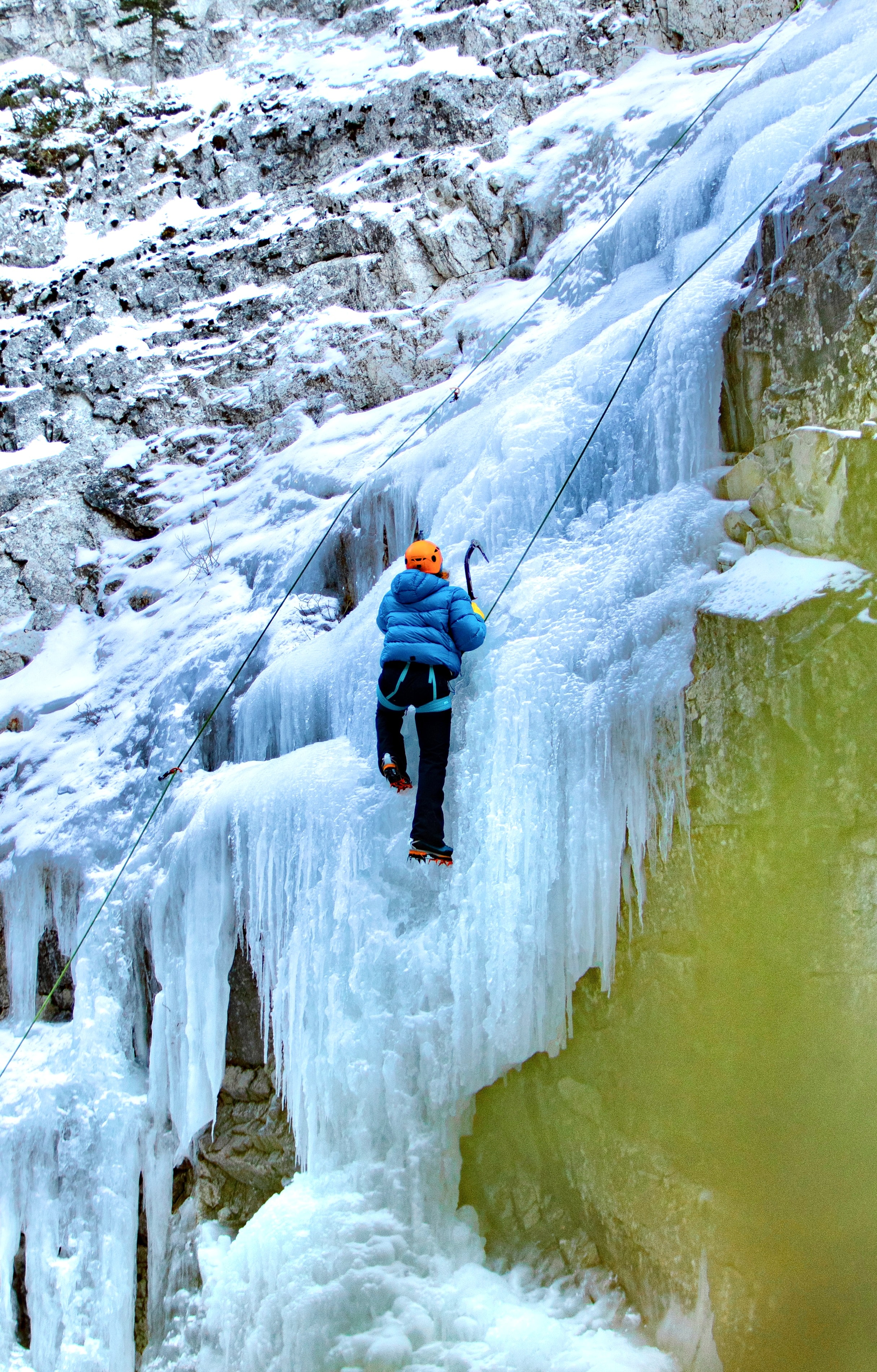
Ice climbing presents an exhilarating challenge for adventure seekers. This thrilling sport involves ascending ice formations, including frozen waterfalls and ice-covered cliffs. Let’s delve into the captivating world of ice climbing.

Getting Started with Ice Climbing
Ice climbing requires specialized equipment and training. Essential gear includes ice axes, crampons, helmets, and ropes. Newcomers to the sport should consider taking a course or hiring a guide to learn the necessary skills and safety protocols.
The Types of Ice Climbing
There are different forms of ice climbing, each offering unique challenges. Waterfall ice climbing involves ascending frozen waterfalls, while alpine ice climbing takes place in mountain environments on glaciated terrain. Mixed climbing combines ice climbing with rock climbing techniques.

Ice Climbing Competitions
Ice climbing competitions have grown in popularity, with events taking place worldwide. The UIAA Ice Climbing World Cup sees climbers compete in speed climbing and difficulty climbing on artificial ice structures, demonstrating their skill and agility.
The Risks and Rewards of Ice Climbing
Ice climbing is a high-risk sport, with dangers including falling ice, sudden changes in weather, and the risk of falls. However, with proper training and safety precautions, ice climbing can be a rewarding activity that offers stunning views, physical challenge, and a sense of achievement.

Ice Climbing in Australia
While Australia is better known for its beaches and deserts, it also offers opportunities for ice climbing, particularly in the Snowy Mountains during the winter months. Mountaineering clubs and adventure companies offer ice climbing trips and courses for those looking to explore this exciting sport.
To sum up, ice climbing offers a unique blend of adventure, physical challenge, and connection with nature. Whether you’re an experienced climber looking for a new challenge or a newcomer attracted by the thrill of the sport, ice climbing is an experience like no other.