
Imagine carving through fresh powder on the slopes of a ski resort, surrounded by pristine white snow. But have you ever wondered how ski resorts ensure a consistent snow cover, even when Mother Nature doesn’t provide enough snowfall? In this article, we’ll take you behind the scenes of ski resorts and explore the fascinating process of making snow.
The Science of Snowmaking
Snowmaking is a precise and technical process that allows ski resorts to produce snow artificially. It involves a combination of specialized equipment, water, and freezing temperatures to create snow crystals that mimic natural snowfall. The process begins with understanding the science behind snow formation.
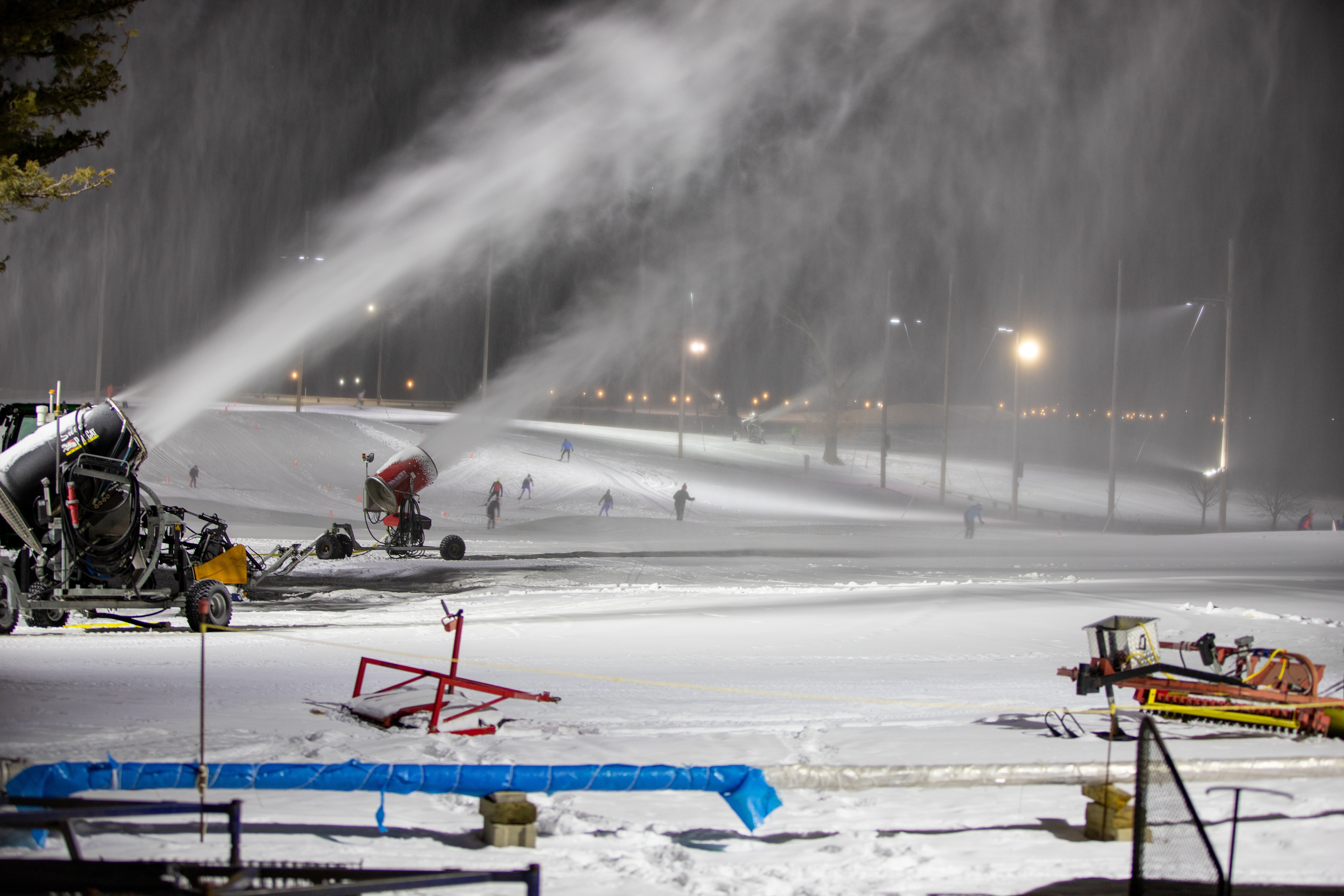
Water is sprayed into the air through snowmaking guns, which are strategically placed across the resort. The water particles mix with compressed air as they travel through the gun, forming tiny droplets. These droplets freeze and solidify as they fall to the ground, creating snow.
Ideal Conditions for Snowmaking
Several factors contribute to the ideal conditions for snowmaking:
1. Temperature: Snowmaking requires freezing temperatures. The ideal range is typically between 26°F (-3°C) and 14°F (-10°C). Lower temperatures allow for better snow quality and production.
2. Humidity: Low humidity is desirable for snowmaking. Dry air allows for faster freezing of the water particles, resulting in lighter and fluffier snow.
3. Water Supply: Ski resorts rely on a steady water supply for snowmaking. They often use nearby lakes, reservoirs, or dedicated water sources to provide the necessary water volume.
The Snowmaking Process
The snowmaking process involves several key steps:
1. Water Intake: Ski resorts have water intakes to draw water from available sources. The water is then transported through pipelines to snowmaking infrastructure across the resort.
2. Snowmaking Guns: Snowmaking guns, also known as snow guns or cannons, are strategically positioned across the slopes. These guns have nozzles that spray a mixture of water and compressed air into the air, creating the snow particles.
3. Air Compressors: Compressed air is an essential component of snowmaking. Air compressors provide the necessary pressure to propel the water particles into the air and break them into smaller droplets.
4. Snow Distribution: Once the snow is produced, it is spread and groomed across the slopes using snow groomers and other equipment. This ensures an even distribution and prepares the surface for optimal skiing and snowboarding conditions.
Challenges and Environmental Considerations
While snowmaking is a remarkable process, it comes with challenges and environmental considerations:
1. Temperature Fluctuations: Ski resorts must carefully monitor temperature fluctuations to maximize snowmaking efficiency. Warmer temperatures can affect snow quality and production rates.
2. Energy Consumption: Snowmaking requires a significant amount of energy, mainly for air compression and water pumping. Resorts strive to optimize energy efficiency and explore renewable energy options to reduce environmental impacts.
3. Water Usage: Snowmaking relies on water resources, and resorts aim to use water sustainably. They implement water management strategies, such as reservoir storage, water recycling, and efficient snowmaking techniques, to minimize water consumption.
Conclusion
The art of making snow is a fascinating process that ensures consistent snow cover and enjoyable winter experiences at ski resorts. From the science behind snow formation to the careful orchestration of snowmaking operations, ski resorts strive to provide optimal snow conditions for visitors. As you hit the slopes and carve through the snow, take a moment to appreciate the behind-the-scenes efforts that go into creating the winter wonderland that makes winter sports so thrilling and memorable.