
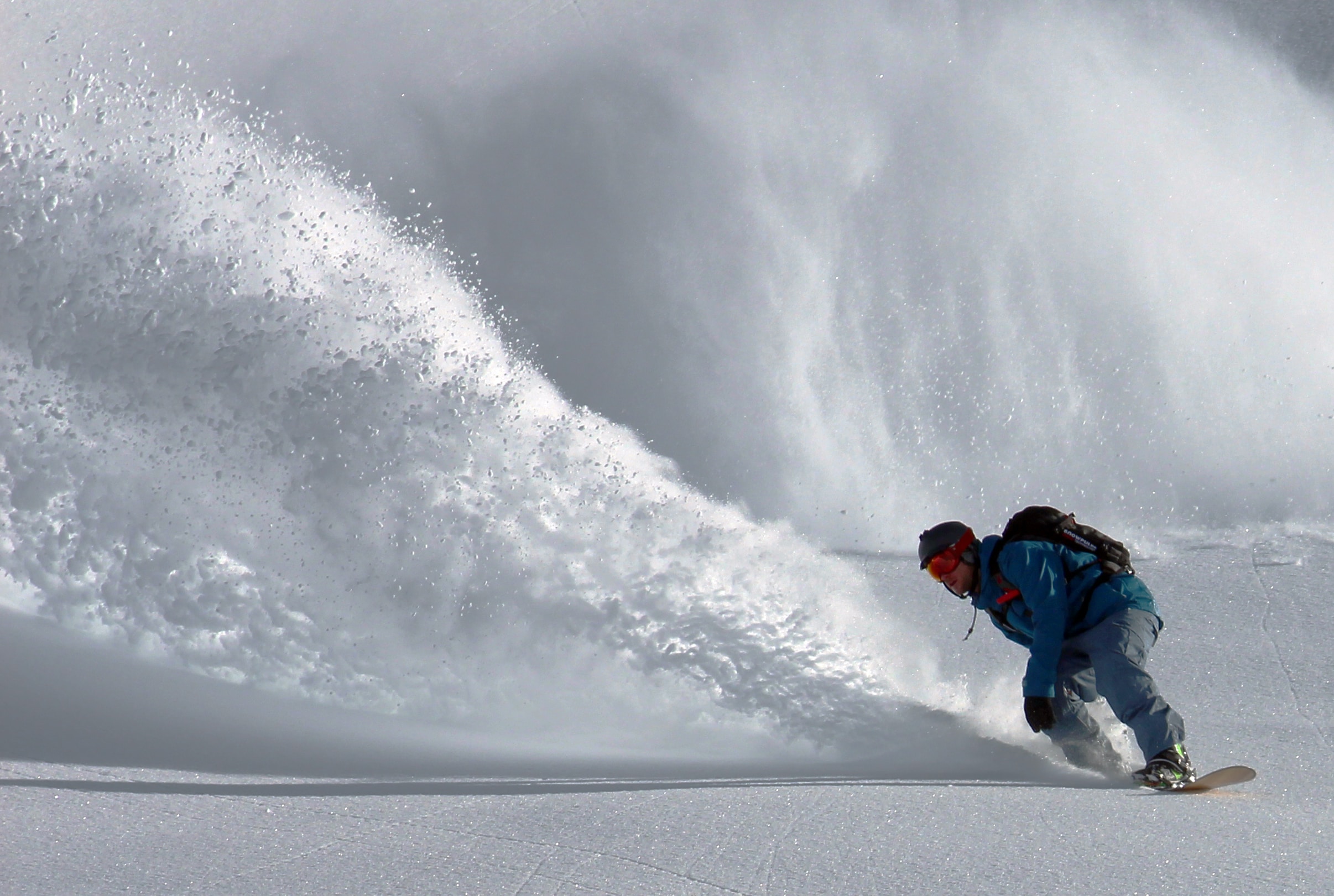
Winter sports enthusiasts are drawn to the thrill and beauty of snowy mountains and backcountry terrain. However, it’s essential to be aware of the potential dangers, particularly avalanches, that can pose significant risks. In this article, we’ll delve into the risks associated with avalanches in winter sports and provide valuable insights to help you make informed decisions and prioritize safety in your winter adventures.
Understanding Avalanches
Avalanches are powerful and destructive snowslides that can occur in mountainous regions with steep slopes. They result from the release of a mass of snow, often triggered by external factors such as weather conditions, human activity, or the natural instability of the snowpack.
Avalanches can be classified into different types, including loose snow avalanches, slab avalanches, and wet avalanches. Each type has distinct characteristics and triggers, but all can have severe consequences for anyone caught in their path.
Assessing Avalanche Risks
Assessing avalanche risks is crucial for anyone venturing into winter sports in mountainous areas. It’s essential to gather information about current snow conditions, weather forecasts, and avalanche bulletins provided by local authorities or avalanche centers.
Factors contributing to avalanche risks include the slope angle, snowpack stability, recent weather patterns, and the presence of triggers such as skiers, snowboarders, or snowmobiles. Understanding these factors and how they interact is essential for evaluating the potential risks.
Safety Precautions and Preparedness
When engaging in winter sports in avalanche-prone areas, it’s crucial to take necessary safety precautions and be prepared. Here are some key considerations:
1. Education and Training
Obtain proper education and training in avalanche safety, including attending avalanche awareness courses and learning about equipment use, rescue techniques, and decision-making in avalanche terrain. Equip yourself with the knowledge and skills necessary to make informed choices in the backcountry.
2. Carry Essential Equipment
Always carry essential avalanche safety equipment, including an avalanche transceiver (beacon), a shovel, and a probe. Ensure you know how to properly use this equipment and practice using it regularly.
3. Travel with a Partner
When venturing into avalanche terrain, travel with a partner or in a group. This provides an extra layer of safety, as others can assist in case of an emergency. Regularly communicate and establish a clear plan before heading out.
4. Practice Terrain Management
Develop good terrain management skills, which involve route selection, recognizing potential hazards, and avoiding high-risk areas such as steep slopes or areas prone to wind-loading. Stay updated on changing conditions and adjust your plans accordingly.
5. Respect Local Guidelines and Warnings
Follow local guidelines and warnings regarding avalanche risks. Pay attention to signs, closures, and recommendations from authorities or local experienced guides. These guidelines are in place to prioritize your safety.
Conclusion
Avalanches present significant risks in winter sports, and understanding these risks is crucial for maintaining safety. Educate yourself, assess avalanche conditions, and be prepared with proper equipment and training. Prioritize safety precautions, travel with others, and respect local guidelines. Remember, the joy of winter sports can be enhanced when we make informed decisions and take necessary measures to mitigate avalanche risks. Stay safe and enjoy your winter adventures responsibly!
One response to “Understanding the Risks of Avalanches in Winter Sports”
wow!! 12A Closer Look at the Winter Paralympic Sports