
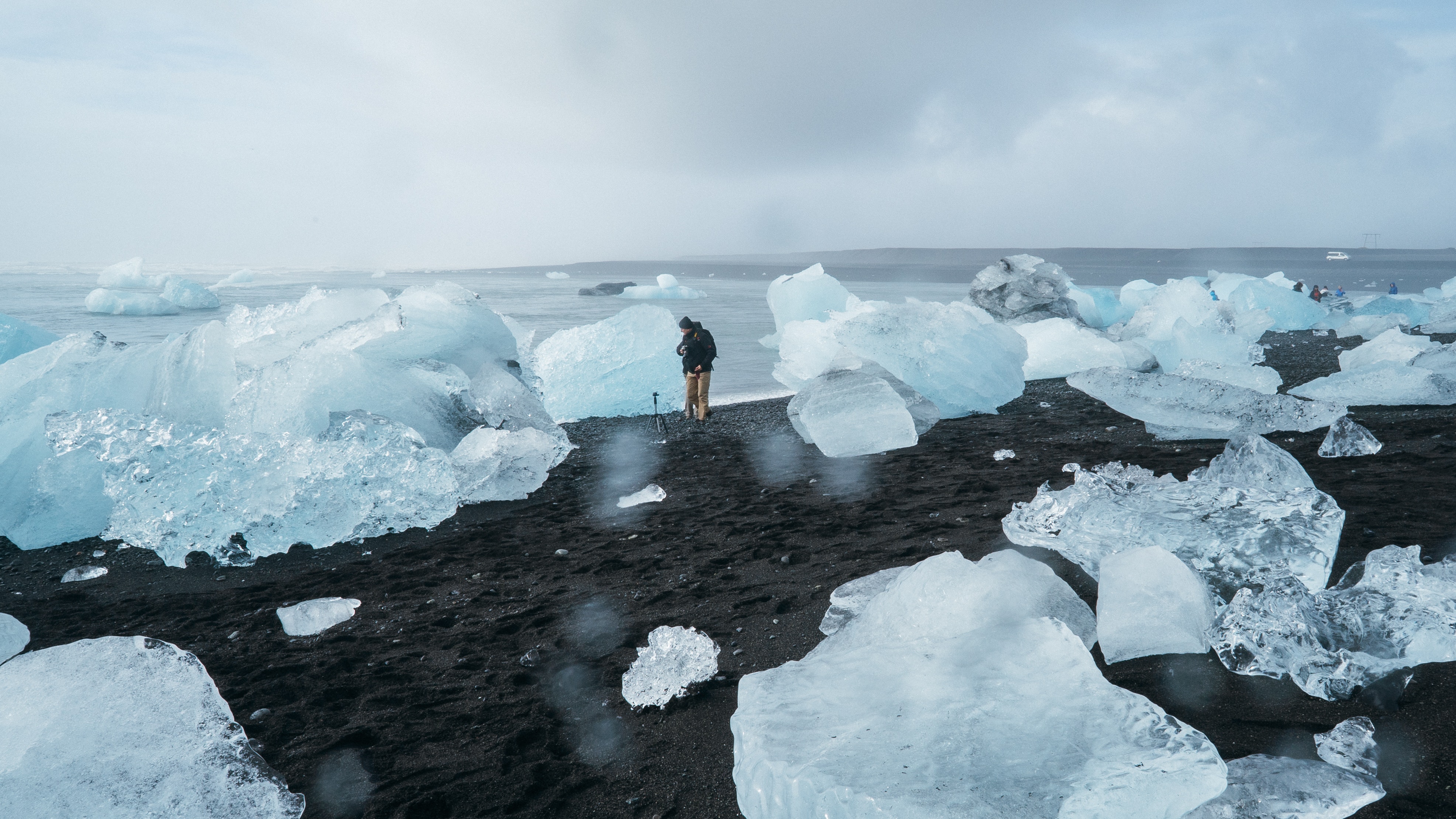
Winter sports are intrinsically linked to the environment, relying on cold temperatures and natural snowfall. However, the changing climate is reshaping the future of these beloved activities. Let’s delve into the impacts of climate change on winter sports and explore what lies ahead.

The Impact of Warmer Winters
Warmer winters are leading to less snowfall and shorter snow seasons. This shift poses a significant challenge for ski resorts and winter sports enthusiasts, with many resorts experiencing reduced operating days and less predictable snow conditions. For athletes, this means less time for training and competing.
The Reliance on Snowmaking
In response to changing snow patterns, many ski resorts have increased their reliance on artificial snowmaking. However, snowmaking is energy-intensive and requires cold temperatures and ample water supplies, which could be problematic in warmer and drier conditions.

Impacts on Ice Sports
Ice sports such as ice hockey and speed skating, traditionally played on natural ice, are also feeling the heat. Warmer temperatures can result in poor ice quality or unsafe conditions, while indoor ice arenas require significant energy to maintain the ice.
Changes in Athlete Preparation and Performance
Climate change may also affect how athletes train and perform. Altered snow conditions can require adjustments in technique and equipment. Moreover, warmer temperatures at winter sports events can impact athletes’ physical comfort and performance.
The Economic Consequences
The economic implications of climate change for winter sports are substantial. Ski resorts, equipment manufacturers, and local communities that depend on winter sports tourism face uncertain futures. Job losses and economic hardship may follow if these trends continue.

Adapting to Change
The winter sports industry is starting to adapt to these challenges. Some ski resorts are diversifying their offerings to include year-round activities. Technological advancements are also helping, from more efficient snowmaking systems to new types of winter sports equipment designed for variable conditions.
Winter Sports and Climate Action
The winter sports community is increasingly advocating for climate action. Athletes, organizations, and businesses are raising awareness about the impacts of climate change on winter sports and promoting sustainable practices, such as renewable energy, waste reduction, and responsible travel.
To wrap up, the future of winter sports in a changing climate is complex and uncertain. However, adaptation, innovation, and climate action can help safeguard these cherished activities. As fans, participants, and stewards of winter sports, we all have a role to play in addressing these challenges and protecting our winter playgrounds.